- Email

Djabuganydji is the tribe’s name of Djabugay. Djabuganydji are the people of the tribe. Djabuganydji land goes from a bit north of Port Douglas down to Cairns Inlet, through to Edmonton, up to the Atherton Tablelands, down to Mt Molloy, and back to Port Douglas. Within this area we have clan groups such as Djabugay (Djabuganydji), Bulway (Buluwanydji), Yirrgay (Yirrganydji), Guluy, and Nyagali.
These clan groups play a vital role in the tribe, trading seafood from the coast, meat, nuts and berries, tools and weapons, jewellery, stories, dance, songs, marriage, etc. Djabugay is the language that is spoken throughout all clan groups of the tribe. The Djabuganydji neighbouring tribes to the north are Kuku Yalanji and to the south Yidiny. Both have languages similar to Djabugay, but slightly different, and share similar Dreaming.
Before white settlers came to this region, the Bama (people) had lived as one with nature for many centuries, hunting, gathering, storytelling and caring for Country, living with one lore; the lore of the land.
Djabugay history for Djabugay people has been in this land since the land existed. In recent timekeeping, Djabugay history spans over 80,000 years in the rainforests of Kuranda (Ngunbay), west of Cairns, Queensland, centred around the Barron Gorge. Djabugay have strong cultural ties to their creation stories like Bulurru and Buda-dji of the Djabugay peoples. Bulurru is the god of creation and the lore to the Djabugay peoples. Their history involves traditional hunting, gathering and cultural practices. All of this changed for the bama (people) when the first Europeans settled in the 1880s. Conflicts with European settlers over land began with the railway construction from Cairns to the Atherton Tablelands in 1891. In 2004, a significant Native Title claim was won by the Djabugay people, recognising their strong and long connection to Country, leading to joint management and cultural revitalisation.

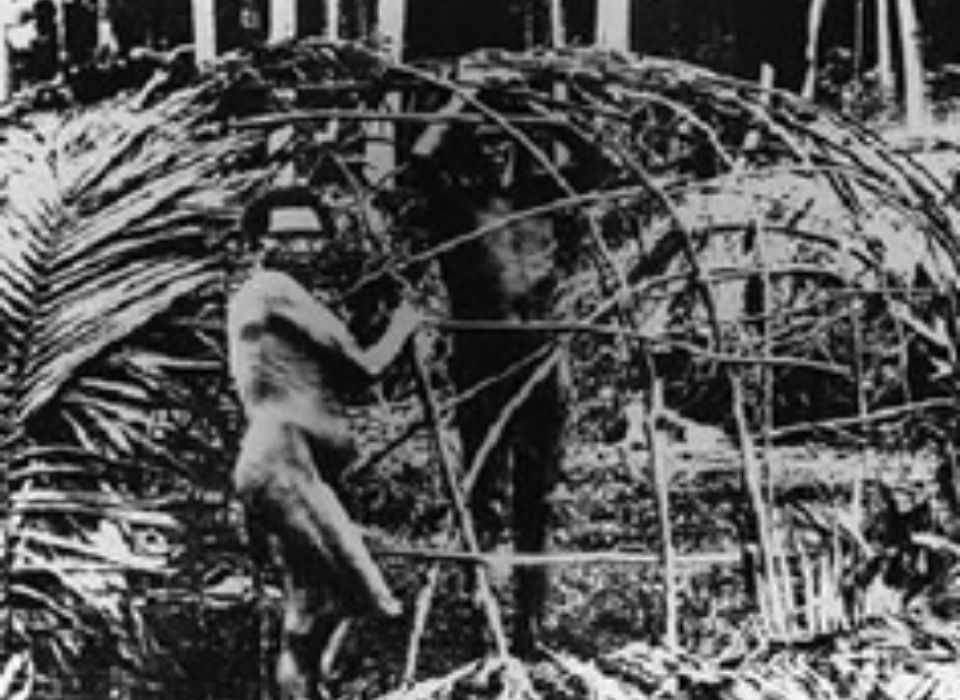
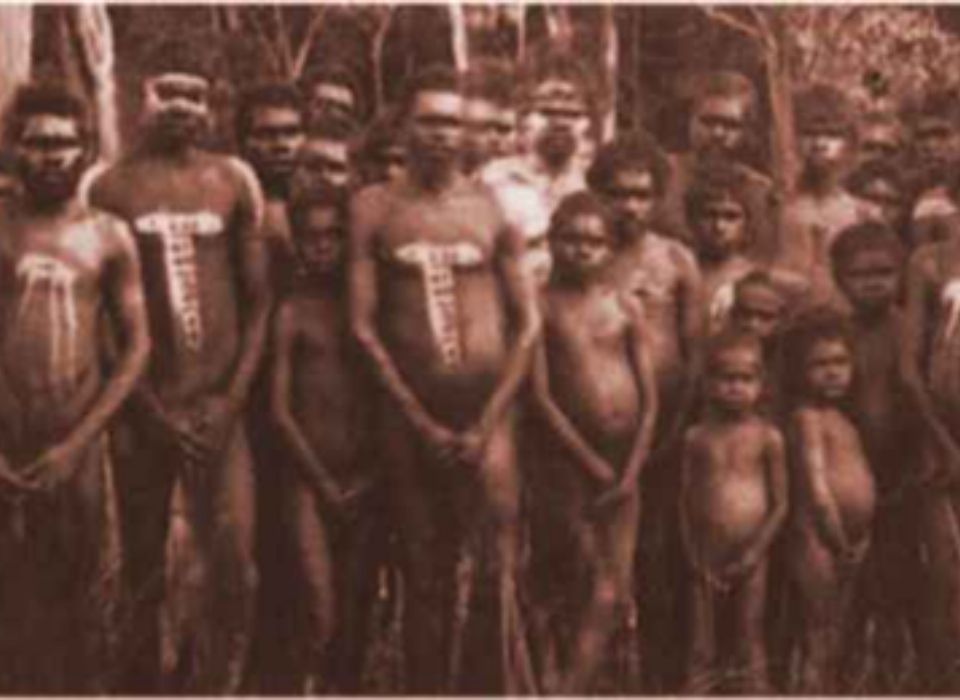
Many stories of the Djabugay people, like the creation story of Buda-dji the carpet snake, explain the creation link that many Djabugay people have to the land. Buda-dji carved his body into the Barron Gorge River, creating the winding and deep geography of this life-giving Bana wuru (the Barron River).
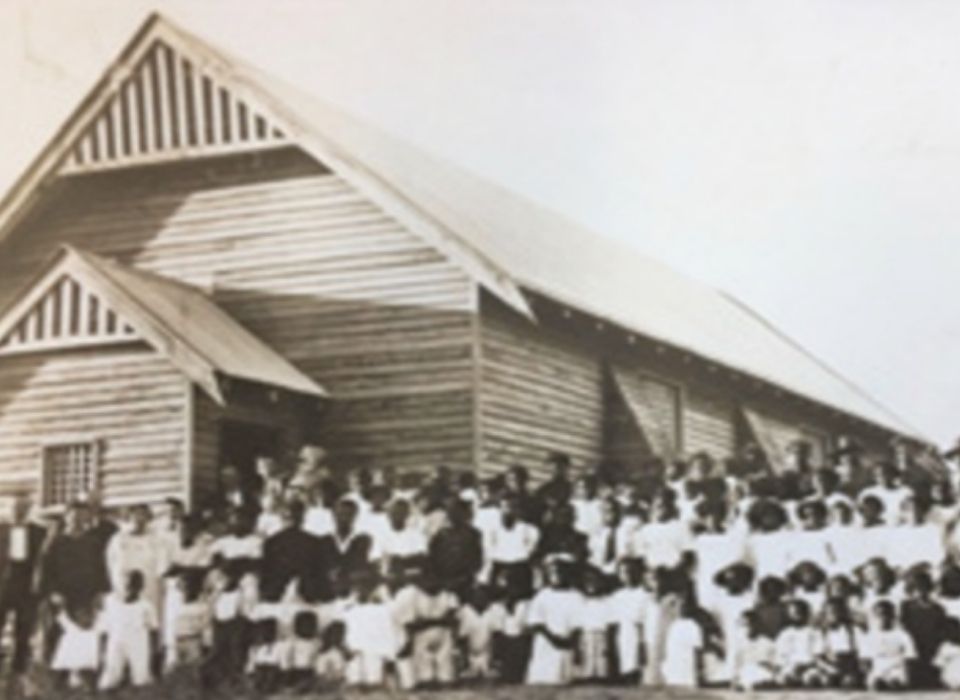
The Mona Mona Mission, a Seventh-day Adventist institution, was established north-west of Kuranda for Aboriginal people in 1912. Aboriginal children from Kuranda and surrounding areas were forcibly removed from their families and taken to the mission, where they were controlled, placed into single-sex dormitories, and converted to Christianity. If a child misbehaved in the mission, they would be sent away to Palm Island and Fantome Island, never to return to Mona Mona Mission. This had a massive impact on many Aboriginal people at the time until the mission’s closure in 1962. Today many Djabugay people live in small communities around Kuranda, Kowrowa, Mantaka, and Koah.
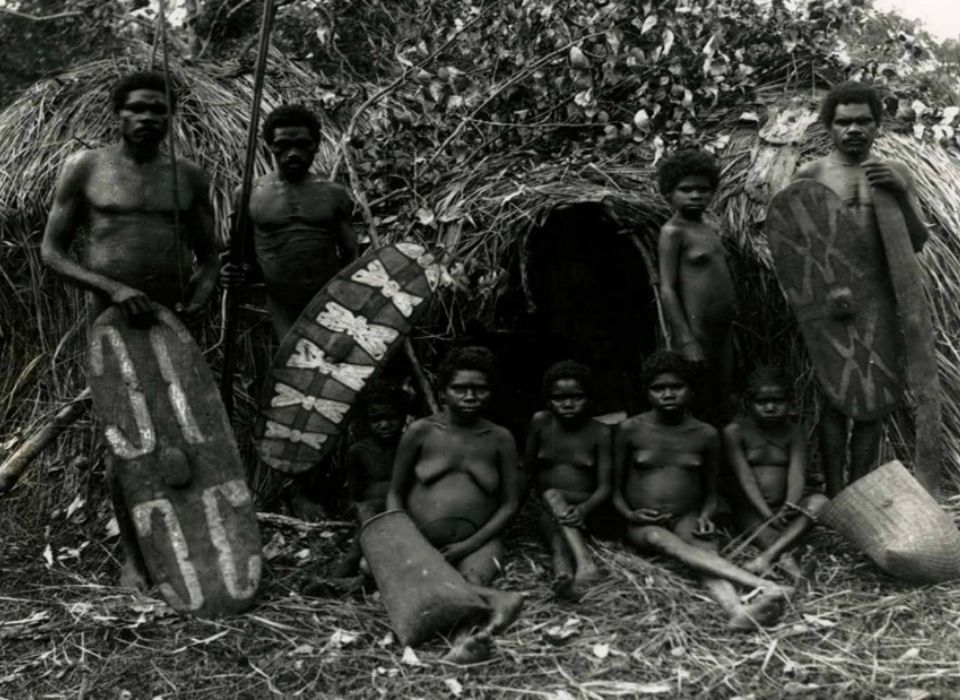
Before white man, the population of the Bama people in the Cairns area was estimated at between 4000 and 5000, but by the turn of the century their numbers had rapidly declined, overtaken by the Gadja settlers.
Coffee, the regions first cash crop, began in 1896. The Bama people were soon utilised as farm labourers on the rapidly expanding plantations around Kuranda, until well into the twentieth century. Many Bama became fringe dwellers on the edge of white settlements, unable to hunt and fish, or move around as they had for thousands of years.
The land around Kuranda has been home to the Bama Aboriginal people for more than 65,000 years and this vibrant Indigenous culture continues to thrive today. For more information, please visit the Djabugay Aboriginal Corporations (north of Barron River) and Buluwai Indigenous Corporation (south of Barron River) websites
Discover more about the rich tapestry of history in Kuranda.
© Kuranda 2026


